 İngilizce
  Türkçe
Adak Qurbani: Intention and Responsibility
Adak qurbani is the fulfilment of a promise made to Allah to sacrifice an animal. Undertaken with an intention connected to a wish, a prayer or gratitude, this act of worship expresses devotion to Allah while also encouraging sharing and solidarity within the community.
Making a vow is a personal choice; it is not obligatory for everyone. However, a person who vows to offer a sacrifice takes on the responsibility of fulfilling that promise. A sincere intention and a serious commitment to the vow are essential.
The process begins with deciding on the intention and the commitment to be made. The person then takes the appropriate steps to fulfil the vow. Depending on the intention, this commitment may involve offering a sacrifice, giving charity or performing another act of worship.
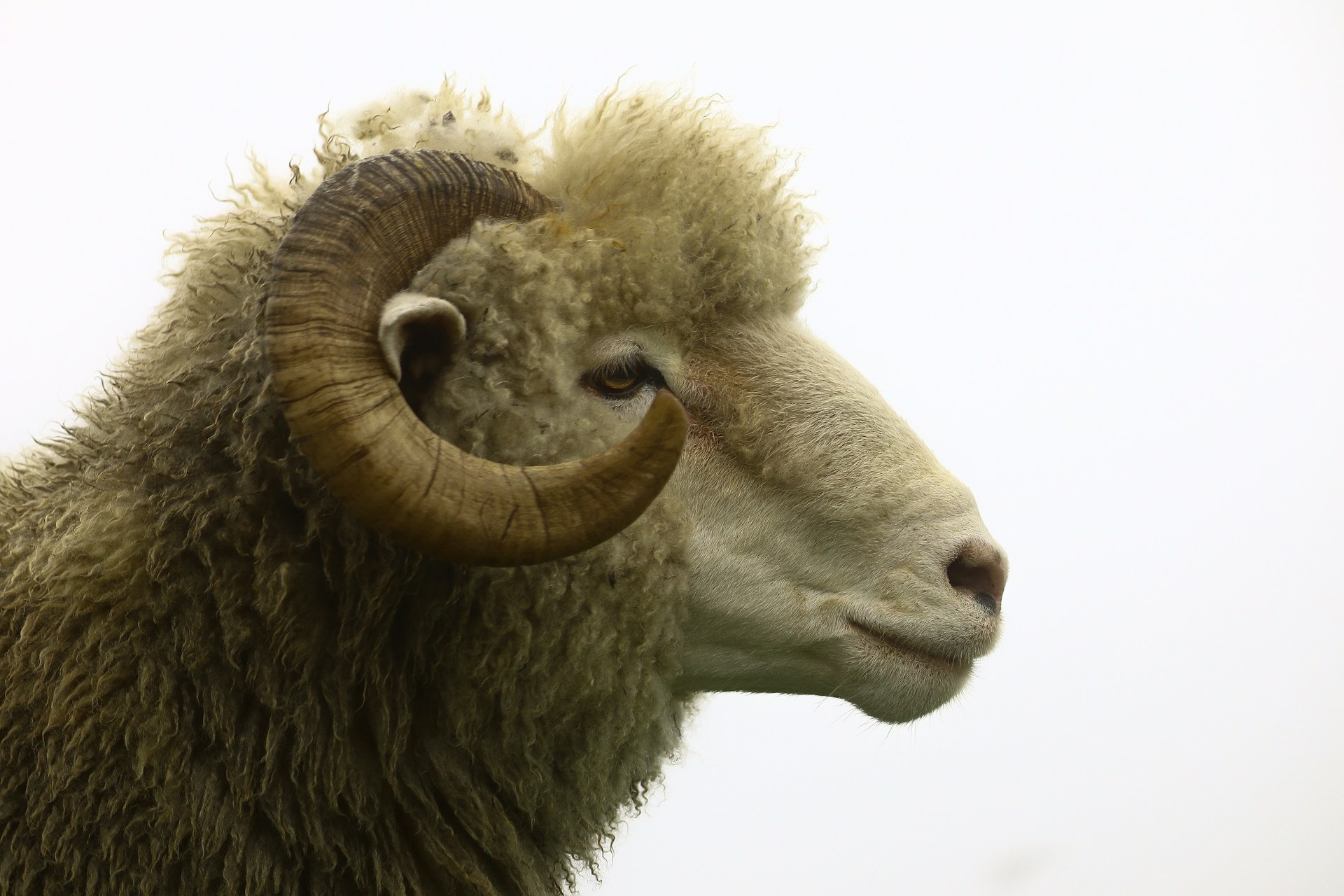
Representative illustration.
Preparing for the Sacrifice and Following the Required Practices
The animal chosen for sacrifice must be healthy, free from defects and suitable for slaughter. Cattle, sheep or goats may be selected. Its general condition should be assessed by checking its body, eyes, ears and other indicators of health.
A clean, hygienic and suitable area should be prepared for the sacrifice. Any necessary permissions must be obtained, and local regulations must be followed. Hands, equipment and the working area should be kept clean before and after the procedure, and the area should be disinfected regularly.
The sacrifice must be carried out using the halal method of slaughter in accordance with Islamic practices. This involves swiftly cutting the animal’s throat with a sharp instrument and allowing the blood to drain completely. The person carrying out the sacrifice should recognise its significance as an act of worship and act with sincerity and devotion to Allah.
Authorising Someone to Act on Your Behalf and Sharing the Meat
Another person or an organisation may be authorised to carry out an adak sacrifice on behalf of the person who made the vow. Those who cannot perform the sacrifice themselves, or who prefer this arrangement because of their circumstances, may fulfil their vow through their authorised representative. A sacrifice performed on someone’s behalf must also follow the required religious practices.
Sharing the meat helps support people in need. When arranging its distribution, attention should be paid both to who may receive it and to the restrictions that apply to the person who made the vow and their family members.

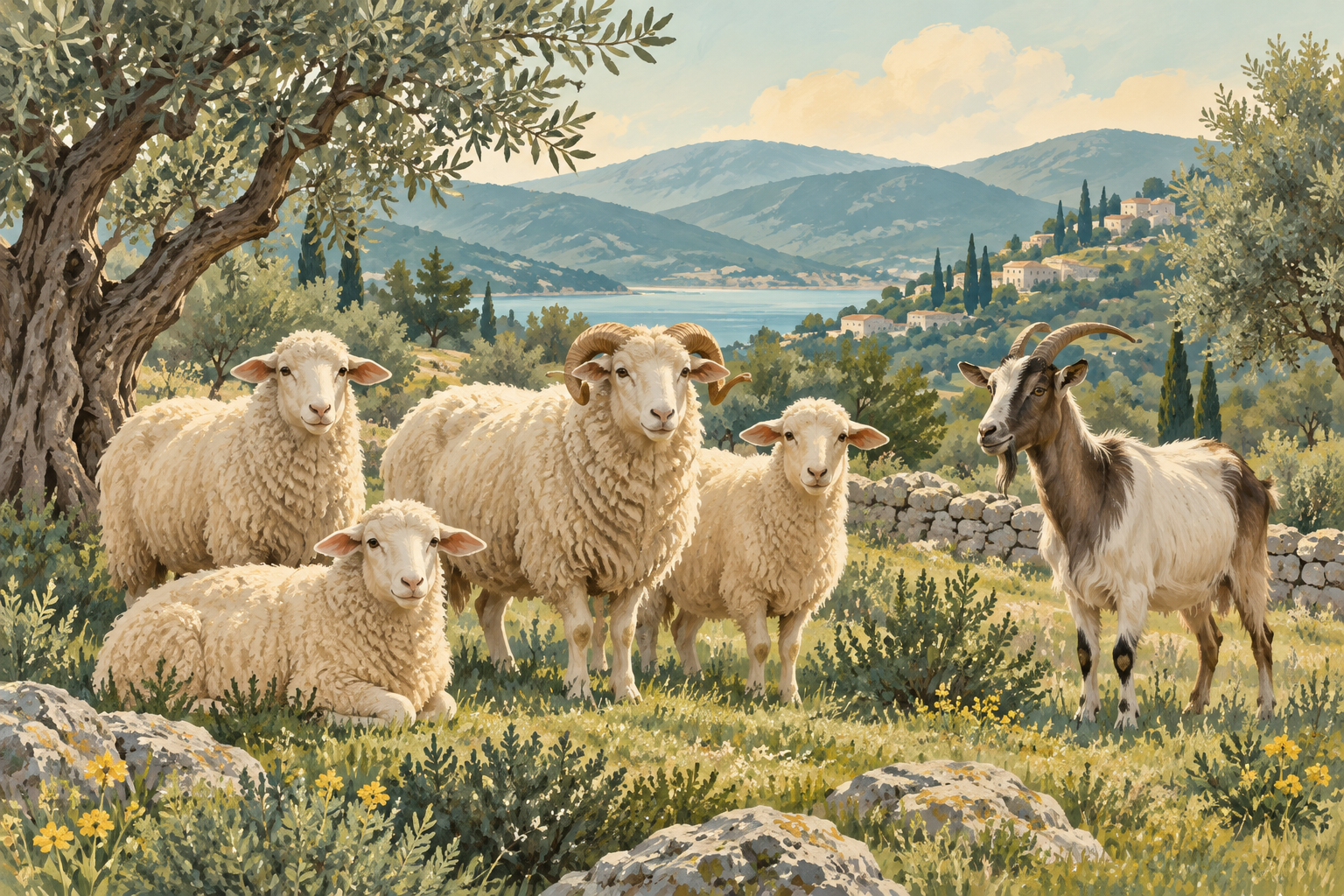
Representative illustration.
Frequently Asked Questions About Adak Qurbani
Who is responsible for fulfilling an adak sacrifice?
The responsibility rests with the person who made the vow. They fulfil their promise to Allah by ensuring that a suitable animal is sacrificed in accordance with religious practices.
When should an adak sacrifice be performed?
The timing depends on the period or condition stated in the vow. Once the condition has been met or the specified time has arrived, the sacrifice should be performed without delay. For example, someone who has promised to offer the sacrifice during Eid al-Adha should do so before the festival ends.
Is there a specific time of day by which the sacrifice must be completed?
No fixed time of day is specified for an adak sacrifice. What matters is observing the timing and condition expressed in the vow. The sacrifice should be performed at a suitable time within those terms.
Who may not eat the meat of an adak sacrifice?
The person who made the vow, their mother, father, grandparents, children and grandchildren may not eat the meat. This restriction, covering the person themselves and their direct ancestors and descendants, should be observed when distributing it.
Who may receive the meat?
Priority is given to poor people and those in need. Relatives other than the direct ancestors and descendants listed above, as well as neighbours, may also receive the meat. It may also be offered to the spouse of the person who made the vow and to other Muslims, whether wealthy or poor; neighbours do not have to be in need to receive it.
How many portions should the meat be divided into?
There is no fixed number of portions for distributing the meat. The person who made the vow may divide it as they consider appropriate. Distribution should respect the restrictions on who may eat the meat and ensure that it reaches people in need.
What prayer may be said during the sacrifice?
A person may express their intention and their wish to earn Allah’s pleasure in sincere words. For example: “O Allah, I offer this sacrifice to fulfil the vow I made to You. Accept my gratitude and prayers; grant me Your pleasure and the fulfilment of my wish.” This is an example of a prayer that may be said during the sacrifice.
May a prayer of gratitude be offered after the sacrifice?
After the sacrifice, the person who made the vow may offer a two-rak‘ah prayer of gratitude to express their thanks to Allah. This is an act of worship they may choose to perform voluntarily.
Does forgetting a vow end the responsibility to fulfil it?
Forgetting a vow does not mean that the promise has been fulfilled. The obligation remains. Once the person remembers the vow, they should fulfil their commitment without delay.
No comments added yet.